The Minimal Business Card: Your Silent Introduction
First impressions are often made in a handshake, but the real introduction happens when you slide a business card across the table. It’s a tangible piece of your brand’s story. In a world saturated with loud, cluttered designs, there’s a quiet power in simplicity. This is where the Minimal Business Card template comes in. It’s not just a piece of paper with contact details; it’s a deliberate statement of professionalism, clarity, and modern taste. It’s for the professional who lets their work, and their presence, speak for itself.
Visual Character: More Than Just White Space
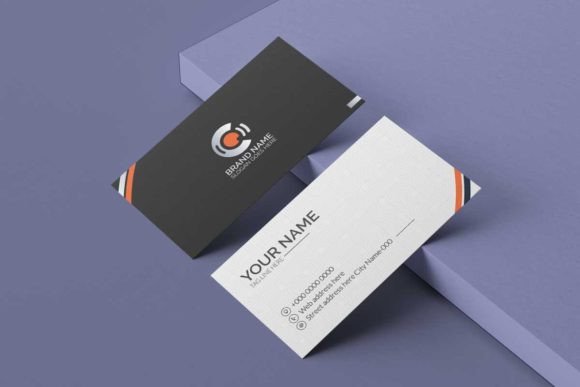
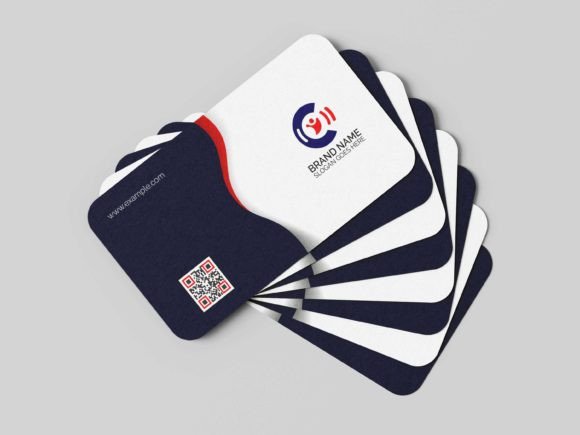
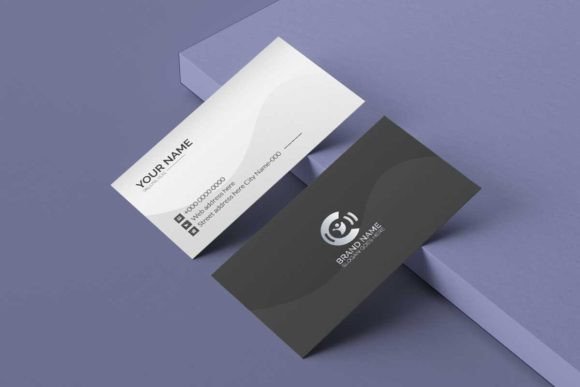
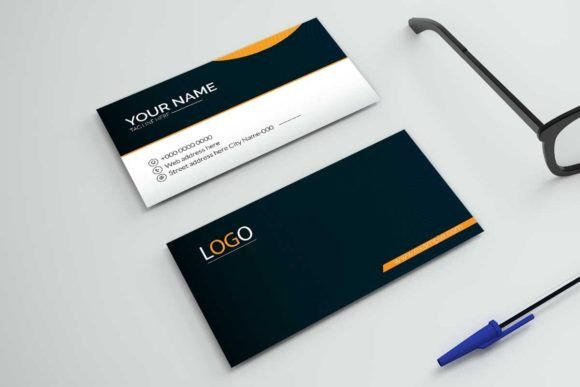
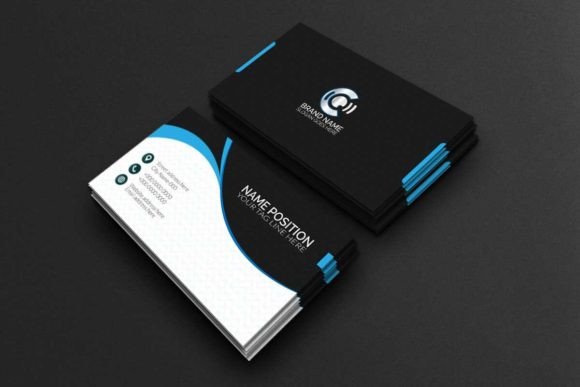
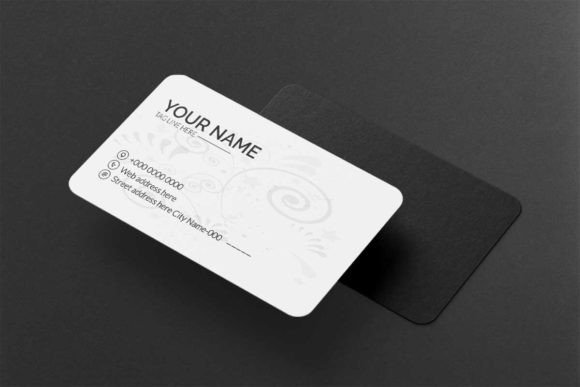
At first glance, you might call it "clean" or "simple," but the Minimal Business Card is anything but basic. Its personality is defined by restraint and intention. Think of it as a well-tailored suit for your brand identity—it fits perfectly without any unnecessary embellishment. The template leverages generous white space, not as emptiness, but as a vital design element that gives your information room to breathe and command attention. The typography is carefully chosen, often pairing a crisp sans serif font for contact information with a subtle, elegant serif or script for the name, creating a sophisticated font pairing that feels both contemporary and timeless.
This isn't a display font shouting for attention. It's the quiet confidence of a premium font that knows its value. The overall appeal lies in its versatility. It can feel corporate and sharp for a financial consultant, or artistic and airy for a photographer. The use of vector shapes ensures every line is pixel-perfect, whether printed at standard size or scaled up for a presentation. The CMYK color mode and 300dpi resolution are professional standards baked right in, guaranteeing your cards will look as crisp in hand as they do on screen. This is professional-grade design assets made accessible.
Where This Template Truly Shines: Practical Applications
The strength of the Minimal Business Card is its chameleon-like ability to adapt. It’s a foundational piece for a cohesive brand identity. For the entrepreneur or small business owner, it establishes immediate credibility. For the designer or creative, it showcases an understanding of modern editorial design principles. Its clean lines make it a perfect companion to other modern typography projects, from packaging design to social media graphics.
Consider its use across different fields:
- Consultants & Professionals: Projects an image of clarity, organization, and trustworthiness.
- Artists & Photographers: Puts the focus on the work (or a QR code to it) without visual competition.
- Bloggers & Content Creators: Provides a clean, memorable point of contact that aligns with a curated online aesthetic.
- Startups & Tech: Communicates innovation and forward-thinking design sensibility.
- Freelancers & Crafters: Offers a polished, professional alternative to homemade designs, elevating perceived value.
It works beautifully in logo design presentations, where the business card mockup shows the mark in a real-world, elegant context. Its style supports web design projects by providing a tactile, physical brand touchpoint that mirrors a minimalist website. The included IDML files ensure compatibility across Adobe InDesign versions, making it a practical choice for designers managing multiple client projects or publishers creating assets for a series.
Making It Work for You: A Designer's Practical Guide
Choosing the Minimal Business Card is the first step; customizing it effectively is where your brand takes shape. The template’s easy editable layers and separate layers for text, graphics, and backgrounds are a dream. You’re not just changing words; you’re guiding the viewer’s eye. The paragraph styles included are a hidden gem—use them to ensure typographic consistency, which is crucial for perceived professionalism and readability.
When customizing, start with the typography. The free font links provided are a fantastic starting point, but feel free to substitute with a commercial font that better fits your brand’s voice, if your license allows. Test your chosen typeface for legibility at the final print size. A beautiful script font might look stunning on screen but could become an unreadable flourish on a small card. Pair it thoughtfully—a handwritten font for your name might work with a clean sans serif for details, but ensure the contrast is intentional.
Think about the visual hierarchy. What should the recipient see first? Your name? Your company logo? Use scale, weight, and spacing to create that path. The template’s structure helps, but your choices will define the final message. Before finalizing, print a test copy. Digital proofs can lie. Check how the colors feel in your hand, how the paper stock interacts with the design, and whether all text is effortlessly readable. This is the bridge between a digital design asset and a powerful physical connection. By respecting the template's minimalist foundation and making thoughtful, brand-aligned choices, you transform a generic file into a powerful tool for audience engagement and lasting recognition.